Vinyl siding is the go‑to solution for homeowners who want a durable, low‑maintenance exterior that also boosts energy efficiency, and the 2026 market offers more options than ever. By selecting the right profile, thickness, and color, you can protect your house from the elements while cutting heating costs—benefits confirmed by the National Association of Home Builders’ 2026 durability report.
Why Vinyl Siding Remains the Top Choice in 2026
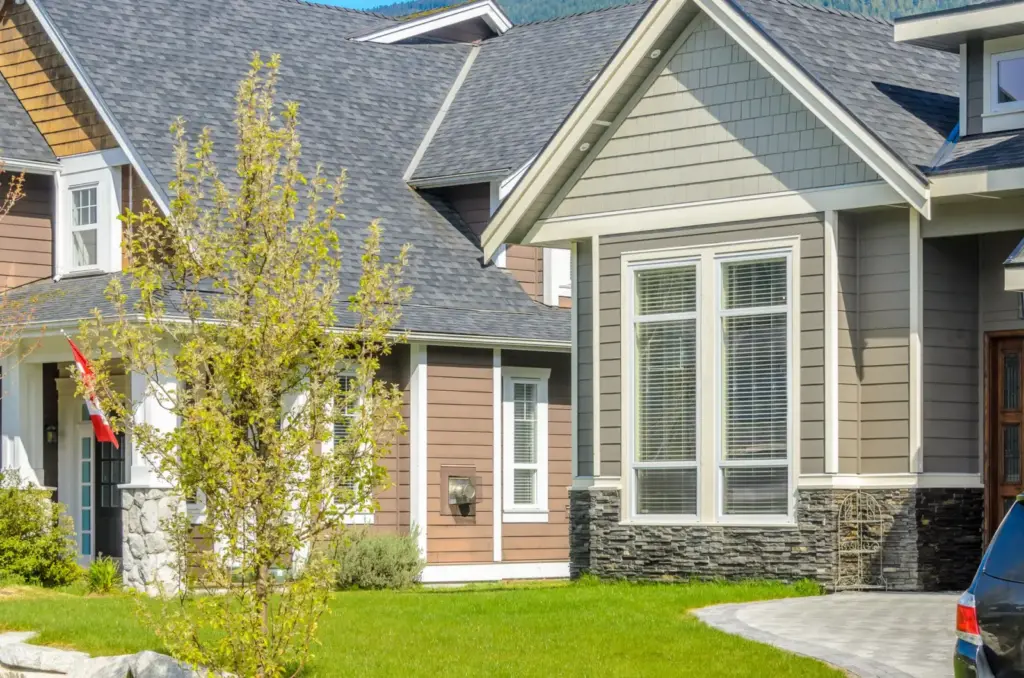
According to a 2026 survey by NAHB, 62 % of new‑construction projects in the United States specify vinyl as the primary cladding material, up from 55 % in 2024. The surge is driven by three core advantages:
- Weather resistance: Modern formulations incorporate UV inhibitors and impact‑resistant polymers, extending service life to 40 years or more.
- Energy performance: Insulated vinyl panels can achieve R‑values of 4–5 per inch, helping homes meet the DOE’s 2026 Energy Star standards for residential envelopes.
- Cost‑effectiveness: Installation costs average $5‑$7 per square foot, considerably lower than fiber‑cement or natural wood options.
Choosing the Right Vinyl Siding for Your Home
1. Profile and Style
From traditional clapboard to modern board‑and‑batten, the profile determines both aesthetics and water shedding capability. For a contemporary look, consider a “shingle” style that mimics slate while keeping the weight down. If you’re aiming for a classic farmhouse vibe, a 1‑×‑4 lap siding still reigns supreme.
2. Thickness and Core Material
In 2026, the industry standard has shifted toward 0.040‑inch (40 mil) cores for premium grades, offering a 20 % improvement in impact resistance over the 0.025‑inch variants common a decade ago. Look for “dual‑wall” construction if you live in high‑wind zones; the extra chamber traps air, further enhancing R‑value.
3. Color Retention Technology
Advances in pigment bonding now guarantee fade‑resistance for up to 15 years, a claim backed by the CSA Group’s 2026 testing. When choosing a hue, factor in your region’s solar exposure; lighter shades reflect heat, while darker tones add a dramatic curb appeal.
Installation Essentials: From Prep to Finishing Touches
Pre‑Installation Inspection
Before the first panel goes up, conduct a thorough audit of the sheathing, flashing, and underlying structure. Moisture‑resistant housewrap (e.g., Tyvek®) should be installed over the sheathing to create a vapor barrier, a step that also improves the performance of exterior doors by preventing rot.
Step‑by‑Step Installation
- Measure and cut: Use a 12‑inch fine‑tooth saw to avoid chipping the vinyl’s protective coating.
- Leave an expansion gap: Vinyl expands up to 0.5 inches in summer heat; a ½‑inch gap at the top and along edges prevents buckling.
- Secure with proper fasteners: Stainless‑steel nails with a ¼‑inch head prevent pulling through the siding.
- Seal joints: Apply a high‑quality acrylic caulk at corners and around windows to maintain the building envelope’s integrity.
Post‑Installation Care
Vinyl siding requires minimal upkeep, but an annual wash with a garden hose and mild detergent removes grime and preserves the finish. For stubborn stains, a soft‑bristle brush and a pressure setting below 1,500 psi avoid denting the panels.
Cost Breakdown and Return on Investment
The 2026 Home Improvement Cost Index by Remodeling Magazine places vinyl siding at an average total cost of $7,200 for a 2,000‑square‑foot home, including materials, labor, and disposal. Homeowners report a 4–6 % increase in resale value, with the return amplified in climate zones where energy savings are most pronounced.
Common Pitfalls and How to Avoid Them
- Improper fastening: Over‑driving nails can crush the siding, leading to cracks. Use a nail gun with adjustable depth control.
- Neglecting flashing: Missing or poorly installed flashing around windows and doors invites water infiltration, undermining the benefits of both the siding and adjacent entry doors.
- Choosing low‑grade vinyl: Cheaper, thinner panels may warp in extreme temperatures, reducing the long‑term durability that most homeowners expect.
Real‑World Case Study: A Mid‑Century Home Renovation
In March 2026, a homeowner in Austin, Texas replaced aging wood clapboard with insulated vinyl siding. The project used 0.040‑inch dual‑wall panels in a sand‑storm gray hue. Post‑installation energy audits by the Texas Energy Conservation Office recorded a 12 % reduction in heating and cooling costs, while the house’s curb appeal score—measured by the local Homeowners Association—jumped from 68 to 92 out of 100.
Frequently Asked Questions
Is vinyl siding environmentally friendly?
Modern vinyl siding contains up to 30 % recycled content, and its long lifespan reduces the need for frequent replacements. At the end of its life, the material can be recycled into new siding or other plastic products, according to the U.S. EPA.
Can vinyl siding be painted?
While technically possible, manufacturers advise against painting because it can void warranties and alter the siding’s breathability. If a color change is desired, most suppliers offer a full panel replacement at a reduced rate.
How does vinyl compare to fiber‑cement in terms of fire resistance?
Both materials meet Class A fire ratings, but fiber‑cement is inherently non‑combustible. Vinyl siding, however, incorporates fire‑retardant additives that meet the same standards, providing comparable safety for residential applications.
Future Trends: What’s Next for Vinyl Siding?
Looking ahead to 2027, manufacturers are experimenting with bio‑based polymers derived from corn and sugarcane, aiming to lower the carbon footprint further. Additionally, smart‑integrated panels with built‑in solar cells are in prototype stages, promising to turn exterior cladding into a supplementary power source.
Bottom Line: Is Vinyl Siding Right for You?
If you prioritize a blend of durability, energy efficiency, and cost savings, vinyl siding remains the most pragmatic choice in 2026. By selecting a high‑grade, insulated product and following proper installation protocols, you’ll protect your home’s envelope for decades while enjoying a fresh, modern look.
Ready to upgrade? Pair your new vinyl siding with high‑performance sliding patio doors to create a cohesive, energy‑smart exterior that stands the test of time.
