Choosing the right entry door is the single most effective way to boost a home’s curb appeal, improve energy efficiency, and enhance security—all at once. Whether you’re renovating a historic bungalow or outfitting a modern townhouse, the ideal door combines durable material, proper insulation, and smart hardware to protect your family and lower utility bills.
Why Entry Doors Matter More Than You Think
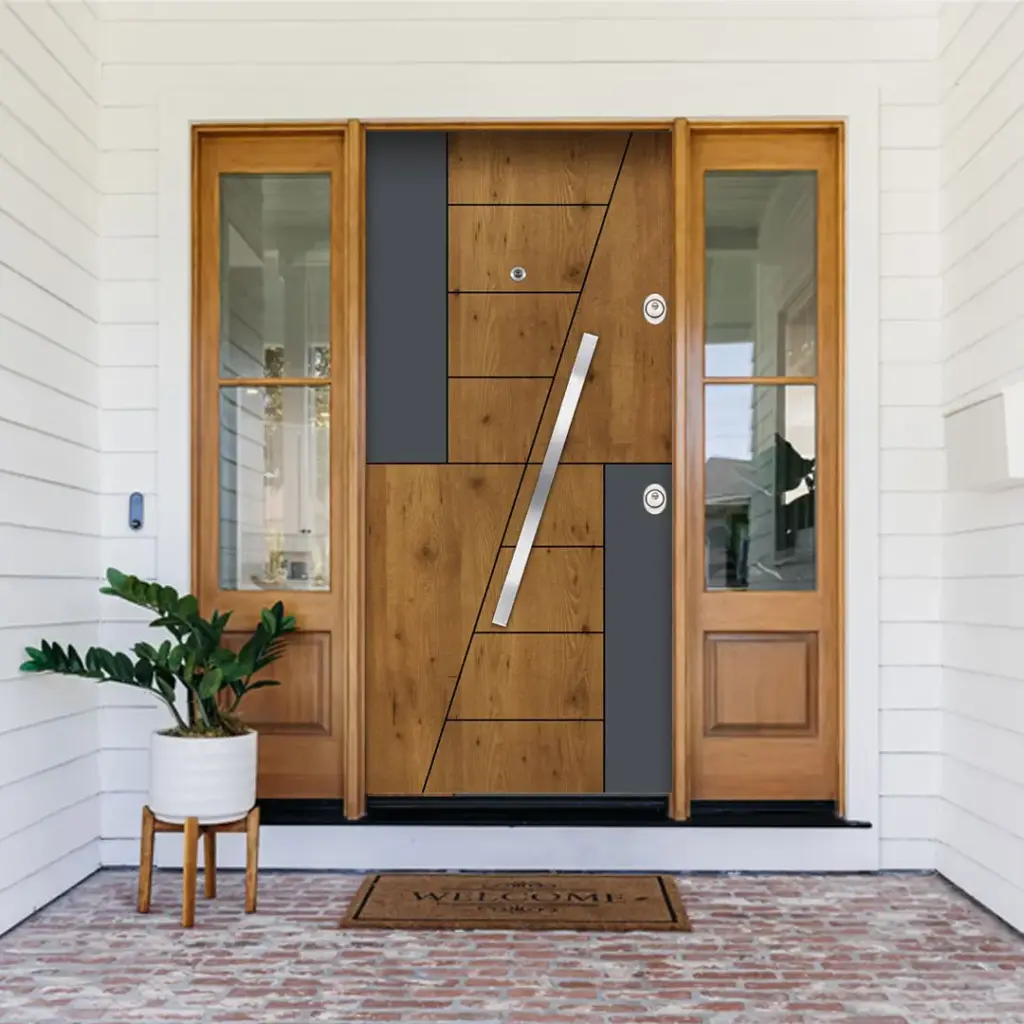
According to the 2025 Home Improvement Research Institute (HIRI) report, homeowners who upgraded to high‑performance entry doors saw an average 12 % reduction in heating and cooling costs within the first year. The same study highlighted that a well‑chosen door can increase a property’s resale value by up to 5 %, making it a financially savvy investment.
Security and Peace of Mind
Front door security has evolved beyond simple deadbolts. Modern entry doors often feature reinforced steel frames, multi‑point locking systems, and impact‑resistant glass. The deadbolt technology alone reduces burglary risk by 30 % (National Crime Prevention Council, 2025). Pairing these features with a solid core door creates a barrier that deters intruders without compromising aesthetic appeal.
Energy Efficiency at a Glance
Energy‑efficient entry doors are rated by the U‑value, which measures heat transfer. The lower the U‑value, the better the insulation. In 2026, the U.S. Department of Energy certified doors with U‑values of 0.30 Btu/(hr·ft²·°F) as “high‑performance.” Selecting a door that meets or exceeds this threshold can slash annual heating bills by 8‑15 %, especially in colder climates.
Material Options: Finding the Perfect Match
Today’s market offers a wide range of door materials, each with distinct benefits and trade‑offs. Below is a quick guide to help you decide.
- Solid Wood – Classic look, excellent insulation, but requires regular maintenance to resist warping and rot.
- Fiberglass – Mimics wood grain, highly resistant to temperature fluctuations, and comes with low maintenance requirements.
- Steel – Strongest option for security, offers great energy performance when paired with foam cores, but can be prone to denting.
- Aluminum – Lightweight and contemporary, best suited for modern designs; however, it conducts heat more readily, so thermal breaks are essential.
Combining Stone Veneer with Entry Doors
If you’re aiming for a luxurious, timeless façade, pairing a sturdy entry door with a stone veneer accent wall can create a dramatic first impression. Our Stone Veneer Mastery guide explains how to select the right veneer thickness and mortar type to ensure seamless integration without compromising door operation.
Design Trends Shaping 2026 Entry Doors
Design aesthetics evolve, and 2026 is no exception. Here are the top trends homeowners are embracing:
- Oversized Glass Panels – Provide natural light while maintaining security with laminated or tempered glass.
- Matte Black and Dark Bronze Finishes – Offer a sleek, modern contrast to lighter siding palettes.
- Integrated Smart Locks – Allow keyless entry, remote access, and activity logs, enhancing both convenience and safety.
- Custom Carved Details – Reinterpret traditional motifs in a contemporary context, especially popular in heritage neighborhoods.
Hardie Board Siding and Door Cohesion
When you install a new entry door, coordinating it with the exterior cladding is essential for visual harmony. The Hardie Board Siding guide outlines how fiber‑cement siding complements a variety of door materials, offering durability that matches the door’s lifespan while resisting moisture and pests.
Step‑by‑Step Guide to Selecting and Installing Your Entry Door
Follow this practical roadmap to ensure a smooth purchase and installation process.
1. Assess Your Climate and Energy Needs
Check regional climate data from the U.S. Department of Energy. In colder zones, prioritize doors with low U‑values and insulated cores. In milder climates, focus more on security features and aesthetic fit.
2. Measure Accurately
Take three measurements: width, height, and depth of the existing opening. Use a steel tape and record to the nearest 1/8 inch. If replacing an existing door, ensure the rough opening matches the new door’s specifications to avoid costly modifications.
3. Choose Material and Finish
Balance performance with style. For a blend of security and energy efficiency, a steel door with a foam core and matte black finish is an excellent all‑rounder. If you prefer warmth and natural texture, a fiberglass door with wood grain detailing and a bronze handle set works well.
4. Select Hardware
Door hardware influences both function and curb appeal. Opt for multi‑point locks, reinforced hinges, and a deadbolt that meets ANSI Grade 1 standards. Smart lock systems from reputable brands like August or Yale can be integrated without compromising the door’s structural integrity.
5. Plan Professional Installation
Hire a certified installer who follows the American Architectural Manufacturers Association (AAMA) guidelines. Proper flashing, shims, and sealant are crucial to prevent air infiltration and water damage. According to NAHB 2025 data, professionally installed doors have a 95 % satisfaction rate compared to DIY attempts.
6. Perform Post‑Installation Checks
Test the door’s swing, lock operation, and seal integrity. Use a thermal imaging camera (or a simple hand‑held infrared thermometer) to spot drafts. Apply a high‑quality silicone caulk around the perimeter for added weatherproofing.
Common Mistakes to Avoid
- Ignoring Frame Compatibility – A high‑grade door won’t perform if the frame is weak or poorly sealed.
- Choosing the Wrong Finish for the Climate – Dark finishes absorb heat in hot regions, leading to warping.
- Skipping Professional Weatherstripping – Inadequate sealing can negate energy savings.
- Underestimating Maintenance – Even low‑maintenance materials benefit from annual inspections.
FAQ: Quick Answers to Your Entry Door Queries
What is the ideal U‑value for an entry door in a cold climate?
A U‑value of 0.30 Btu/(hr·ft²·°F) or lower is considered high‑performance for cold regions, according to the 2026 ENERGY STAR criteria.
Can I install a smart lock on a steel door?
Yes. Most smart locks are compatible with steel doors, but ensure the lock’s backplate is reinforced and the door thickness matches the lock’s specifications.
How often should I reseal my entry door?
Inspect the seal annually; replace or reapply weatherstripping every 3‑5 years, or sooner if you notice drafts or water intrusion.
Is a fiberglass door more energy‑efficient than a solid wood door?
Generally, yes. Fiberglass doors have tighter construction tolerances and can incorporate advanced insulation, giving them lower U‑values than most solid wood doors.
Do entry doors affect home insurance premiums?
Homes equipped with reinforced steel doors and certified locks often qualify for discounts of up to 10 % on premiums (Insurance Institute for Business & Home Safety, 2025).
Conclusion: Invest Wisely, Live Comfortably
Choosing the right entry door isn’t just a cosmetic decision; it’s a strategic upgrade that safeguards your home, cuts energy costs, and elevates market value. By understanding material options, leveraging modern hardware, and following a meticulous installation plan, you can enjoy a secure, energy‑efficient, and visually stunning entrance for years to come.
For more insights on how exterior finishes complement your entry door, explore our Stone Veneer Mastery guide and the Hardie Board Siding ultimate guide.
Additional resources: U.S. Department of Energy – Energy‑Efficient Doors, Wikipedia – Entry Door.
