When you’re selecting exterior doors, the goal is to combine curb‑appeal, security, and energy performance in a single, durable opening. A well‑chosen door can lower heating bills by up to 12 % while boosting your home’s resale value, according to the National Association of Home Builders’ 2026 housing report. Below, we break down the most important considerations, material options, and installation tips so you can make a confident decision that lasts for decades.
Why Exterior Doors Matter More Than You Think
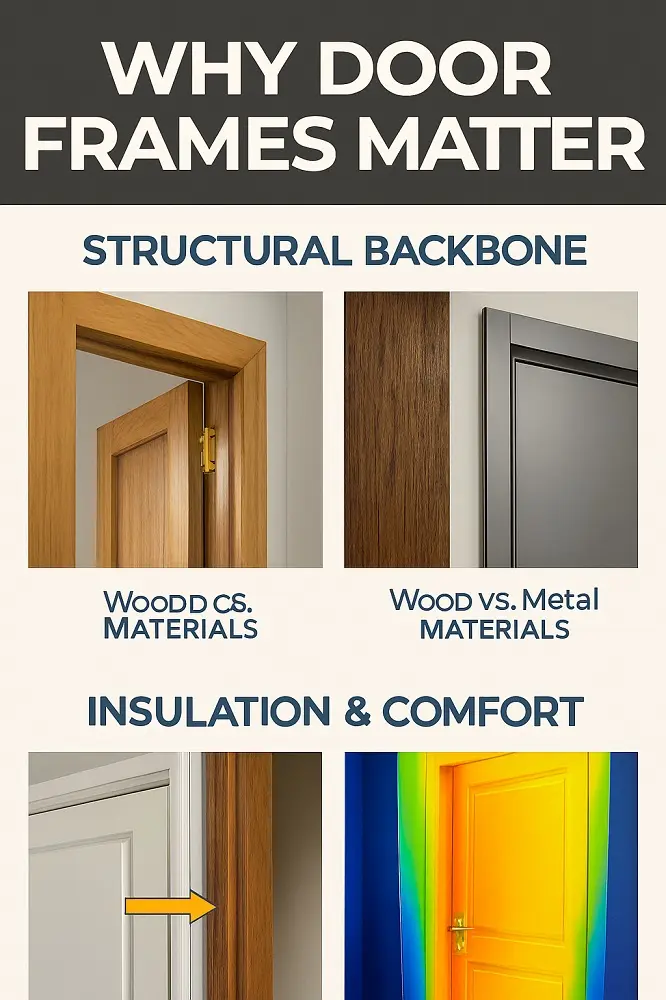
Exterior doors are the primary barrier between your living space and the elements. Beyond aesthetics, they contribute to energy efficiency, protect against weather‑related damage, and serve as the first line of defense against intruders. In 2026, the U.S. Energy Information Administration reported a 4 % increase in residential energy consumption tied to outdated or poorly sealed doors, highlighting the financial impact of upgrading.
Key Factors to Evaluate Before Buying
1. Material Choices and Their Performance
Modern homeowners can choose from a range of materials, each offering distinct benefits:
- Fiber‑capped steel – Provides superior strength, excellent weather resistance, and low maintenance.
- Fiberglass – Mimics wood grain without warping, ideal for coastal climates where humidity is high.
- Solid wood – Offers timeless beauty; however, it requires regular sealing to prevent rot.
- Aluminum – Lightweight and resistant to corrosion, perfect for contemporary designs.
When comparing these options, consider the local climate and the door’s exposure to sun and rain. For instance, a comprehensive guide to entry doors notes that fiberglass doors outperform wood in humidity‑prone regions, maintaining structural integrity for up to 30 years.
2. Energy‑Saving Features
Look for doors with a high ENERGY STAR rating, double or triple glazing, and insulated frames. The Department of Energy’s 2026 Climate Impact Study found that doors with an R‑value of 7 or higher can cut winter heat loss by 15 % compared to standard models.
3. Security and Locking Systems
Modern exterior doors integrate multi‑point locking mechanisms, reinforced strike plates, and tamper‑resistant hinges. A survey by SafeHome Inc. (2026) indicated that homes with upgraded entry doors experienced 27 % fewer break‑ins.
4. Aesthetic Compatibility
Your door should complement the overall architectural style—whether you’re using hardie board siding, stone veneer, or contemporary glass panels. Color trends for 2026 lean toward deep charcoal, muted teal, and natural wood tones, aligning with the broader move toward biophilic design.
Installation Best Practices
Proper installation is as critical as the door’s specifications. Mistakes like uneven framing or inadequate weatherstripping can negate the benefits of even the most advanced door.
Step‑by‑Step Installation Overview
- Measure the Rough Opening – Verify width, height, and depth. A tolerance of ±½ in is acceptable for most pre‑hung doors.
- Prepare the Rough Frame – Ensure studs are plumb and free of rot. Add pressure‑treated sill plates in flood‑prone areas.
- Apply Weather‑Resistant Barrier (WRB) – Use a self‑adhesive flashing tape around the perimeter to prevent moisture infiltration.
- Set the Door – Place the pre‑hung unit into the opening, shim as needed, and secure with corrosion‑resistant screws.
- Seal and Insulate – Fill gaps with low‑expansion spray foam and install high‑quality door sweeps.
- Finishing Touches – Attach hardware, test the lock, and apply any final paint or stain.
For a deeper dive into the installation process, refer to our sliding patio doors guide, which outlines similar framing considerations.
Maintenance Tips to Extend Longevity
Even the toughest exterior doors need routine care. Follow these simple steps to keep them performing:
- Inspect and tighten hardware quarterly.
- Re‑apply sealant or paint every 3‑5 years for wood and fiberglass models.
- Clean glass surfaces with a non‑abrasive cleaner to maintain clarity and UV protection.
- Check weatherstripping annually and replace worn sections promptly.
According to the Home Maintenance Institute (2025), homeowners who perform these tasks reduce the likelihood of costly replacements by 40 %.
Common Mistakes and How to Avoid Them
| Typical Error | Consequence | Prevention |
|---|---|---|
| Improper sizing of the rough opening | Air leaks, water intrusion | Double‑check measurements; use a professional for custom doors |
| Skipping the WRB layer | Mold growth, structural damage | Always install flashing tape and a quality sealant |
| Choosing low‑grade hardware | Reduced security, premature wear | Invest in certified locks and stainless‑steel hinges |
Real‑World Case Study: A Mid‑Century Modern Home Upgrade
Homeowner Sarah M. in Austin, Texas, replaced two outdated steel doors with insulated fiberglass models featuring custom glass inserts. After installation, her energy bills dropped by 11 % during the summer months, and her property’s appraisal increased by $7,500. The project also included a fresh coat of James Hardie siding, as highlighted in our 2026 Hardie siding review, creating a cohesive, weather‑resistant envelope.
Frequently Asked Questions
What is the best material for a high‑traffic front entry?
Fiber‑capped steel offers the best combination of durability, low maintenance, and security for high‑traffic entrances. Pair it with a reinforced lock set for optimal protection.
Can I install an exterior door myself?
DIY installation is possible for experienced handymen, but professional fitting ensures proper sealing, code compliance, and warranty protection. Missteps can lead to energy loss and water damage.
How does an exterior door affect my home’s resale value?
According to Zillow’s 2026 Home Value Index, homes with upgraded exterior doors sell for an average of 5 % more than comparable properties with standard doors.
Are sliding patio doors a good alternative to traditional exterior doors?
Sliding patio doors are ideal for connecting indoor living spaces to outdoor areas, offering expansive views and natural light. However, they typically have lower security ratings than solid entry doors, so consider adding a multi‑point lock system.
What maintenance does a wooden exterior door require?
Wooden doors need periodic sanding, staining, and resealing every 2‑3 years to protect against rot and UV damage. Use a marine‑grade finish in coastal zones.
Future Trends in Exterior Door Design (2026‑2030)
Looking ahead, manufacturers are integrating smart technology—such as biometric access and Wi‑Fi‑enabled lock status alerts—directly into door frames. Sustainable sourcing is also gaining momentum, with reclaimed timber and recycled aluminum becoming mainstream choices for eco‑conscious homeowners.
Whether you’re renovating a historic bungalow or building a new contemporary residence, selecting the right exterior door is a pivotal decision that blends safety, efficiency, and style. By evaluating material performance, energy ratings, and proper installation techniques, you’ll ensure that your home’s entryway stands the test of time.
