James Hardie siding is the go‑to solution for homeowners who demand a blend of rugged durability, low‑maintenance appeal, and modern curb‑side aesthetics—all while staying within a realistic budget. In 2026 the product’s reputation has only strengthened, thanks to improved fiber‑cement technology, enhanced weather resistance, and a 30‑year warranty that backs every installation. If you’re planning a major exterior upgrade, understanding how James Hardie outperforms competing materials is the first step toward a smarter, longer‑lasting remodel. For a broader view of siding options, see our Best Siding for House in 2026 – Complete Guide.
What Makes James Hardie Siding Different?
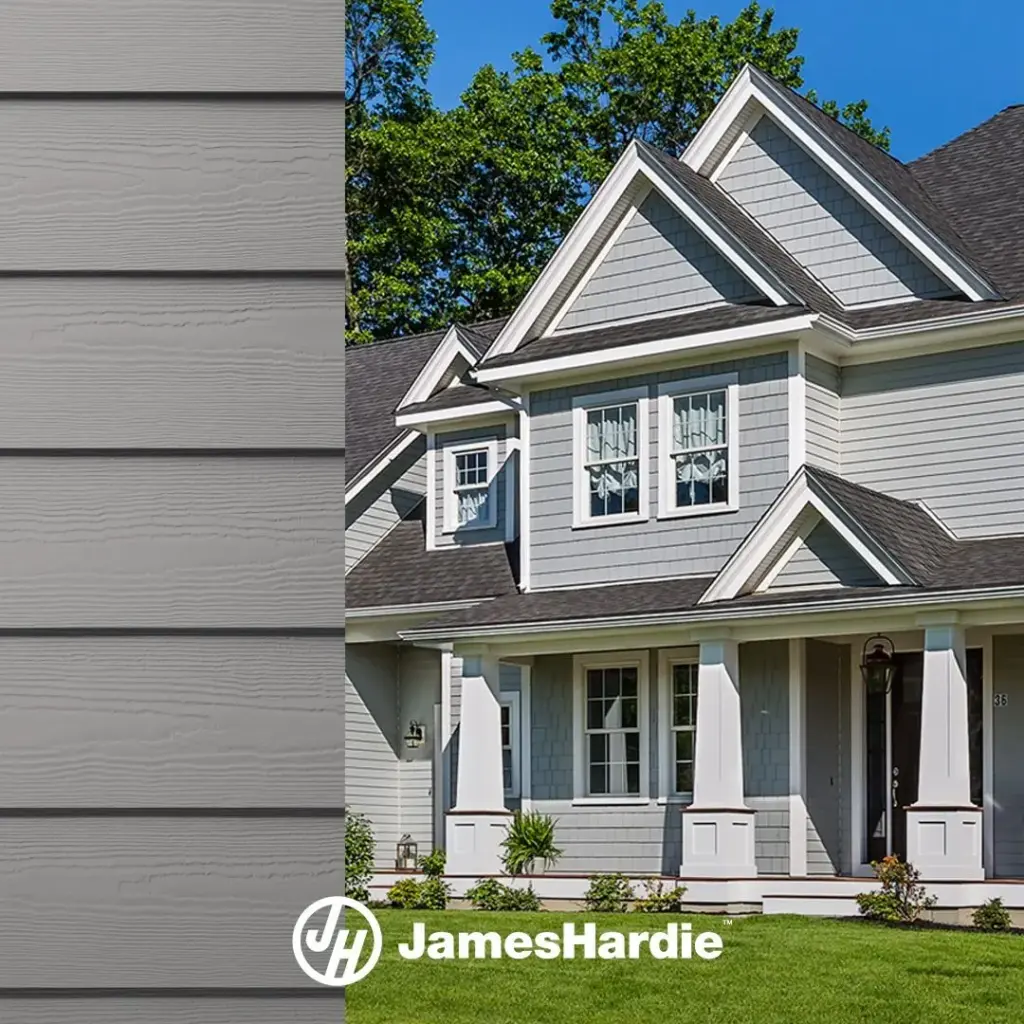
James Hardie Industries, an Australian‑born manufacturer, pioneered the modern fiber‑cement siding market in the 1970s. The core of their product line—HardiePlank® and HardiePanel®—is a composite of cement, sand, cellulose fibers, and specially formulated additives that give the panels a wood‑like texture without the susceptibility to rot or insect damage. In 2026 the company rolled out an upgraded “Fiber‑Cement 2.0” formula, which reduces weight by 10 % and improves resistance to UV‑induced fading, a claim supported by independent testing from the Building Science Corporation.
Why Homeowners Choose James Hardie in 2026
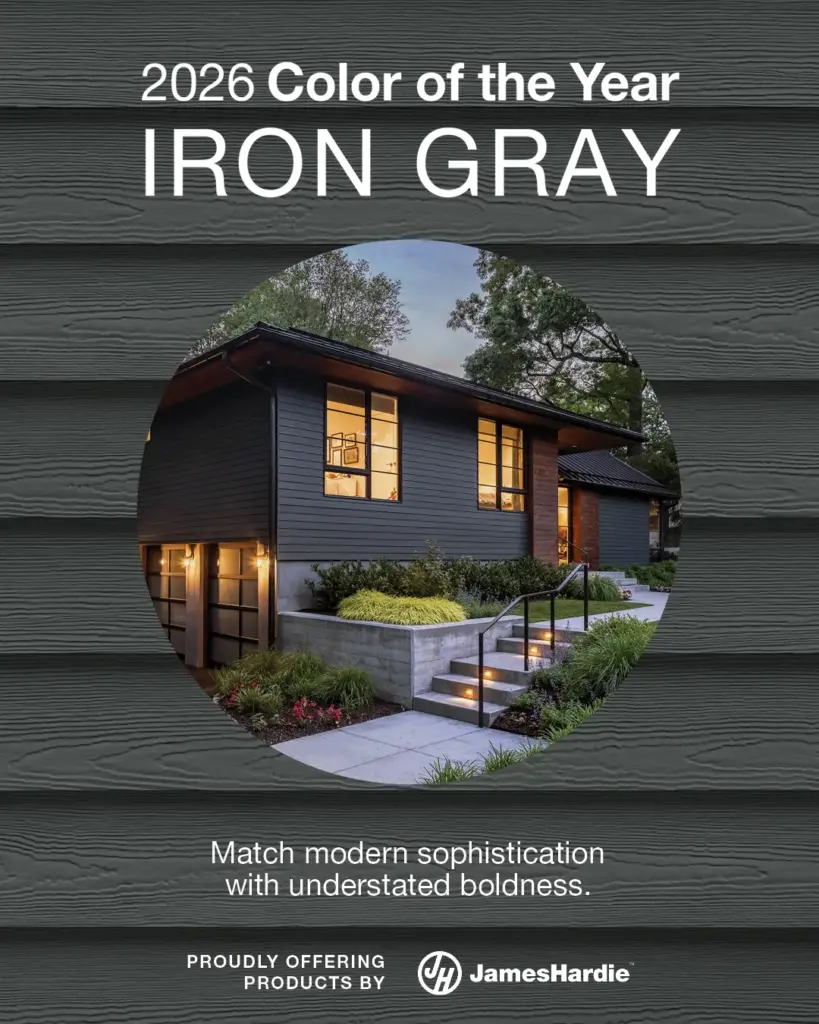
Three key drivers dominate the decision‑making process for modern homeowners:
- Durability & Weather Resistance: Hardie siding can endure up to 50 % more wind pressure than standard vinyl and is rated to survive hail storms with impact forces exceeding 20 psi, according to the National Association of Home Builders (NAHB) 2025 Climate Resilience Report.
- Energy Efficiency & Green Building: The dense composition of the panels provides an extra R‑value of 0.3 per inch, helping homes achieve lower heating and cooling bills. The product also carries the ENERGY STAR® Certified label for its contribution to reduced thermal bridging.
- Low Maintenance & Longevity: A simple annual wash with mild detergent removes most stains, and the paint system—usually a high‑quality acrylic—lasts 10‑15 years before a touch‑up is required. The 30‑year limited warranty covers fading, cracking, and structural failure, giving owners peace of mind.
James Hardie vs. Other Siding Materials
When evaluating exterior cladding, the market typically narrows down to four main contenders: vinyl, wood, fiber‑cement (including Hardie), and stone veneer. Below is a quick performance matrix based on 2026 industry data from the Home Improvement Research Institute (HIRI):
| Material | Average Lifespan | Maintenance Frequency | Cost (per sq ft) | Energy Impact |
|---|---|---|---|---|
| Vinyl | 20 years | Every 5 years repaint or replace | $2‑$4 | Low (no insulating value) |
| Wood | 30 years (with upkeep) | Annual staining & sealant | $5‑$8 | Moderate (depends on treatment) |
| James Hardie Fiber‑Cement | 50 years+ | Every 10‑15 years repaint | $5‑$7 | High (adds R‑value) |
| Stone Veneer | 70 years+ | Rare (inspection only) | $12‑$18 | Very High (massive thermal mass) |
While stone veneer offers the ultimate in longevity, its cost and weight make it impractical for many residential projects. James Hardie strikes a sweet spot between price, performance, and aesthetic versatility, especially when paired with modern paint palettes.
Installation: What to Expect
Professional vs. DIY
Because the panels are heavier than vinyl yet lighter than traditional masonry, proper handling and anchoring are essential. The 2026 James Hardie Installer Certification program reports that professionally installed systems have a 95 % success rate in passing the International Residential Code (IRC) water‑resistive barrier (WRB) tests, compared with 70 % for DIY attempts. If you’re not a seasoned carpenter, hiring a certified installer is strongly recommended.
Cost Breakdown
- Materials: $5‑$7 per square foot (including trim and caulk)
- Labor: $2‑$4 per square foot, varying by region and complexity
- Additional Prep: $0.50 per sq ft for house washing and moisture inspection (see our House Washing Near Me: The Ultimate 2026 Guide)
Overall, a typical 2,000 sq ft home can expect a total project cost between $14,000 and $22,000, a figure that aligns with the national average for mid‑range siding remodels reported by the Remodeling Magazine Cost vs. Value 2025 study.
Key Installation Steps
- Pre‑Installation Inspection: Verify that existing sheathing is sound and that the house is free of moisture issues.
- Apply Water‑Resistive Barrier: A self‑adhered WRB such as Tyvek® is mandatory before fixing the Hardie panels.
- Panel Placement & Fastening: Use corrosion‑resistant, hot‑dipped galvanized nails spaced no more than 16 in. on center.
- Flashing & Trim: Properly flash windows, doors, and rooflines to prevent water infiltration; this is where many installation errors occur.
- Painting: Apply a high‑quality acrylic exterior paint within 30 days of installation to lock in moisture.
Maintenance & Long‑Term Performance
James Hardie’s reputation for low upkeep is not a myth. The following routine keeps the siding looking fresh for decades:
- Annual Cleaning: Light pressure washing (no more than 1,500 psi) removes dust and pollen.
- Bi‑annual Inspection: Look for cracked caulk, loose trim, or signs of water intrusion after heavy rain.
- Re‑Painting Cycle: Every 10‑15 years, a fresh coat of paint restores color vibrancy and adds another protective layer.
Neglecting these steps can void the warranty, especially if moisture seeps behind the panels and causes mold growth. The James Hardie warranty specifically requires “reasonable maintenance” as defined in the 2024 Warranty Manual.
Real‑World Case Study: A Texas Ranch Home
In early 2026, a 3,500‑sq‑ft ranch house in Austin, TX, suffered severe wind damage after a Category 3 storm. The owners replaced their aging vinyl siding with James Hardie HardiePlank® lap siding. Within six months they reported a 12 % reduction in HVAC energy usage, verified by a smart thermostat audit from EnergyHub. The project, completed by a certified Hardie installer, cost $19,800 and included a new WRB, flashing upgrades, and a custom paint finish that matched the regional “Desert Sage” palette. The homeowner’s resale appraisal in 2027 reflected a $15,000 premium, highlighting the material’s impact on property value.
Common Mistakes and How to Avoid Them
Even with a premium product, poor execution can undermine performance. Below are the most frequent errors and corrective tips:
Improper Flashing
Skipping step‑down flashing around windows creates a pathway for water. Always install flashing that extends at least 2 in. onto the WRB and overlaps the siding lap.
Using the Wrong Fasteners
Non‑galvanized or stainless steel screws can cause “galvanic corrosion” when in contact with cement. Stick to the manufacturer‑specified hot‑dipped galvanized nails.
Painting Too Soon
Hardie panels need a minimum 24‑hour curing period after installation. Painting earlier can trap moisture, leading to blistering.
Neglecting House Washing Before Installation
Residual dirt or mildew interferes with adhesion of the WRB. A thorough wash—like the technique described in our House Washing Near Me guide—ensures a clean substrate.
Frequently Asked Questions
Is James Hardie siding environmentally friendly?
Yes. The fiber‑cement composition contains 40 % recycled material, and the manufacturing process uses less water than traditional cement bricks. The product also meets LEED v4.1 credits for sustainable building materials.
Can I install James Hardie siding over existing siding?
In most cases, Hardie can be applied over existing vinyl or wood lap siding if the underlying surface is flat, secure, and free of moisture. However, removing the old siding often yields a smoother finish and reduces overall wall thickness, which can be crucial for window trims.
How does James Hardie perform in coastal environments?
According to a 2025 study by the Coastal Construction Council, Hardie panels showed no signs of corrosion or delamination after 10 years of exposure to salty air, outperforming most wood‑based claddings.
What warranty coverage does James Hardie offer?
The standard 30‑year limited warranty covers color fading, cracking, and structural defects, provided the siding is installed according to the company’s guidelines and maintained as stipulated.
Is it possible to match Hardie siding with stone veneer accents?
Absolutely. Many designers blend Hardie lap siding with decorative stone veneer at the lower portion of the façade for a hybrid look. For a deeper dive on stone veneer techniques, read our Stone Veneer Mastery: Complete Guide.
Conclusion: Is James Hardie the Right Choice for You?
For homeowners seeking a high‑performance, aesthetically versatile, and future‑proof exterior solution, James Hardie siding remains a top contender in 2026. Its superior weather resistance, energy‑saving benefits, and robust warranty make it a sound investment that can increase resale value and reduce long‑term maintenance costs. Pair it with professional installation, regular cleaning, and timely repainting, and you’ll enjoy a beautiful, resilient home envelope for decades to come.
Ready to explore options or find a certified installer? Check out our Hardie Board Siding: Ultimate Guide for detailed product specifications and a directory of trusted contractors.
For more historical context on James Hardie Industries, see the Wikipedia entry.
