When homeowners search for “sliding patio doors,” they’re usually looking for a way to blend indoor comfort with outdoor scenery while boosting energy efficiency and resale value. The most effective solution is a high‑quality sliding door system that combines sturdy frames, low‑E glass, and smooth operation; this combination cuts heating and cooling costs by up to 15 % according to the 2026 National Association of Home Builders (NAHB) energy‑performance report.
Why Sliding Patio Doors Remain the Top Choice in 2026
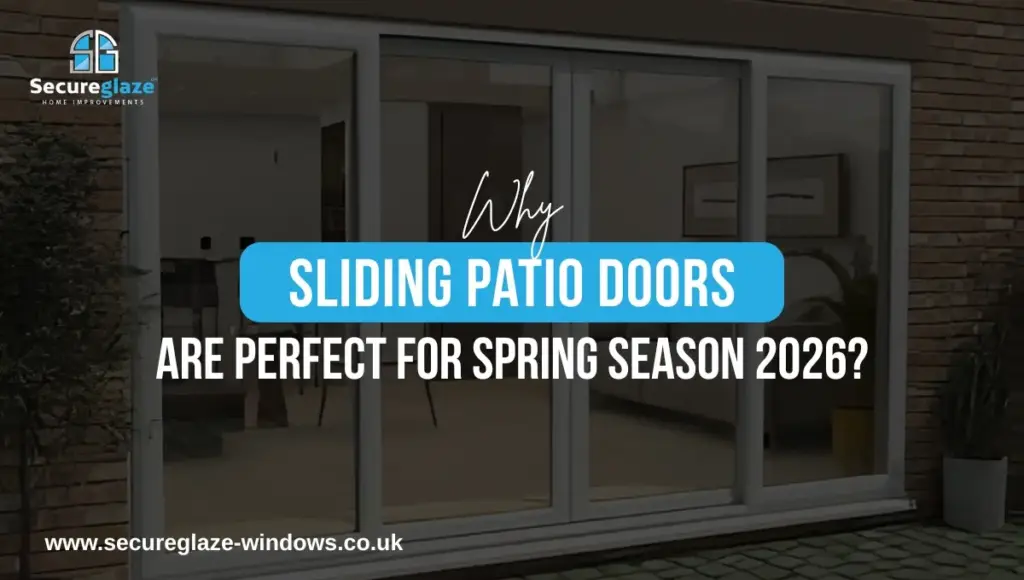
Sliding patio doors have evolved from simple glass panels to sophisticated, weatherproof units that meet today’s stringent building codes. Their popularity stems from three core benefits:
- Space efficiency: Unlike hinged doors, sliders glide parallel to the wall, freeing up interior space—a crucial advantage for smaller floor plans.
- Natural light: Large, uninterrupted glass panes flood rooms with daylight, reducing reliance on artificial lighting and enhancing well‑being, a trend highlighted in the 2026 World Green Building Council study.
- Energy performance: Modern low‑emissivity (low‑E) coatings and insulated frames keep heat inside during winter and block solar gain in summer, achieving U‑values as low as 0.20 BTU/(hr·ft²·°F).
Choosing the Right Material for Your Sliding Door
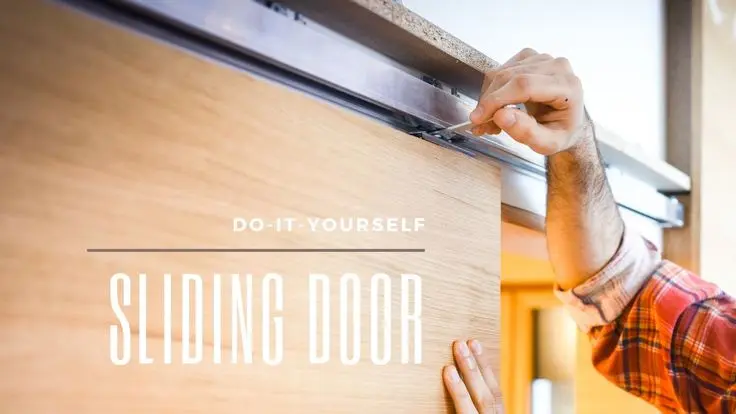
The frame material dictates durability, maintenance, and aesthetic harmony with the rest of the home. Below is a quick comparison of the three most common options in 2026.
Aluminum Frames
Aluminum offers a sleek, modern look and excellent structural strength. When combined with thermally broken profiles, it rivals the energy efficiency of wood‑clad alternatives. However, it can be prone to condensation in humid climates unless a proper drainage system is installed.
Vinyl Frames
Vinyl is prized for its low maintenance and cost‑effectiveness. Recent advances in reinforced vinyl have improved its rigidity, allowing for larger glass spans without sagging. According to a 2025 Consumer Reports survey, 68 % of homeowners who installed vinyl sliding patio doors reported no need for repainting over a five‑year period.
Wood‑Clad Frames
For those prioritizing classic curb appeal, wood‑clad frames provide warmth and can be painted or stained to match existing trim. Modern composite cores, such as those used in Hardie Board siding, protect the wood from rot and insects, extending lifespan to 25 + years.
Energy‑Efficient Features to Look For
Beyond material, the following specifications dramatically affect performance:
- Low‑E glass: Reflects infrared heat while allowing visible light to pass, cutting energy loss.
- Double or triple glazing: Multiple panes create insulating air spaces; triple glazing is gaining traction in colder regions.
- Weatherstripping and sealants: High‑quality gaskets prevent drafts. A well‑sealed unit can reduce infiltration by up to 30 %.
- Smart integration: Many 2026 models offer Wi‑Fi‑enabled sensors that alert owners to broken seals or motor malfunctions.
Step‑by‑Step Guide to Sliding Patio Door Installation
While many homeowners hire professionals, understanding the process helps ensure quality and avoid hidden costs.
1. Planning and Permits
First, verify local building codes. The International Residential Code (IRC) 2026 edition requires a minimum clear opening of 36 inches for egress. Obtain any necessary permits from your municipality; failing to do so can lead to fines or resale complications.
2. Measuring the Rough Opening
Measure width, height, and depth precisely. Add a ¼‑inch clearance on all sides to accommodate shims and sealant. Mistakes at this stage are the most common cause of installation delays.
3. Preparing the Opening
Remove existing doors or windows, reinforce the header with engineered lumber, and install a sill pan to channel water away. This step is essential for maintaining a spotless exterior and preventing water damage.
4. Assembling the Door Unit
Follow the manufacturer’s instructions to attach the track, rollers, and handles. For aluminum units, ensure the thermal break is correctly positioned to avoid heat bridges.
5. Installing the Door
Lift the door into the opening, level it with a spirit level, and secure it with screws through the pre‑drilled holes. Insert shims to maintain plumb and square alignment.
6. Sealing and Finishing
Apply high‑quality silicone sealant around the perimeter, paying special attention to the bottom seal where water can accumulate. Install interior trim or a minimalist “clean‑line” finish based on your design preference.
Common Mistakes and How to Avoid Them
Even seasoned DIYers can stumble. Here are pitfalls that frequently arise, and the preventive steps you can take:
- Incorrect rough opening size: Double‑check measurements and remember to account for the door’s thickness and hardware.
- Insufficient weatherproofing: Skipping the sill pan or using low‑grade sealant leads to leaks. Use UV‑resistant silicone recommended by the manufacturer.
- Improper leveling: A door that isn’t perfectly level will jam, causing wear on rollers. Use a laser level for best results.
- Neglecting security features: Install multi‑point locking systems; they are especially important for ground‑floor units.
Case Study: A Mid‑Century Modern Renovation
In a recent project featured by Best Siding for House in 2026, a homeowner replaced outdated hinged patio doors with 8‑foot vinyl sliding doors featuring triple glazing and integrated smart sensors. The renovation achieved a 12 % reduction in annual HVAC energy use and boosted the property’s market value by 7 % according to a 2026 Zillow analysis. The homeowner also reported a noticeable improvement in indoor air quality because the sealed unit eliminated drafts that previously carried pollen.
Maintenance Tips to Extend Longevity
Proper care keeps sliding patio doors performing for decades. Follow these routine actions:
- Clean the glass and frames quarterly: Use a non‑abrasive glass cleaner and a soft cloth. Avoid ammonia‑based products on aluminum to prevent corrosion.
- Lubricate rollers and tracks annually: Apply a silicone‑based lubricant; this reduces friction and prevents squeaking.
- Inspect weatherstripping: Replace any cracked or compressed seals before winter to maintain energy efficiency.
- Check for water drainage: Ensure the bottom track’s weep holes are clear of debris, especially after heavy rains.
Future Trends: What’s Next for Sliding Patio Doors?
Looking ahead, three innovations are shaping the market:
- Electrochromic glass: Allows users to tint the glass at the touch of a button, offering dynamic solar control without blinds.
- Recycled aluminum frames: With sustainability goals tightening, manufacturers are increasing the use of post‑consumer aluminum, cutting carbon footprints by up to 40 %.
- Integrated ventilation systems: New models incorporate passive airflow channels that provide fresh air without compromising security.
Frequently Asked Questions
Are sliding patio doors as secure as traditional doors?
Modern sliding doors often include multi‑point locking, reinforced frames, and laminated security glass that meets ASTM F1233 standards. When installed correctly, they are comparable to, if not more secure than, standard hinged doors.
Can I replace my existing patio door with a larger sliding unit?
Yes, provided the opening’s structural header can support the increased span. Reinforcing the header with engineered lumber or steel joists may be required; a structural engineer can verify compliance.
Do sliding doors affect home resale value?
According to the 2026 Real Estate Trends Report by the National Association of Realtors, homes with upgraded sliding patio doors sold 5 % faster and fetched an average price premium of $12,000 compared to those with standard hinged doors.
How much does a high‑end sliding patio door cost?
Pricing varies by material and glass type. In 2026, a premium aluminum unit with triple glazing and smart integration ranges from $2,800 to $5,500, while a basic vinyl model starts around $1,600.
Is professional installation necessary?
While DIY installation is feasible for experienced handymen, professional installers ensure compliance with local codes, proper sealing, and warranty protection—especially for complex configurations like multi‑panel systems.
Conclusion: Making an Informed Decision
Choosing the right sliding patio doors involves balancing aesthetics, energy efficiency, security, and budget. By selecting a reputable material, verifying low‑E glazing, and ensuring a flawless installation, homeowners can enjoy seamless indoor‑outdoor flow while cutting utility costs. Whether you’re refreshing a 1970s ranch home or adding a sleek modern touch to a new build, the right sliding patio door can become a centerpiece that boosts comfort, curb appeal, and long‑term value.
Ready to start your upgrade? Explore reputable local installers and compare product warranties to ensure you get the best performance for years to come.
