Choosing the right siding for your house is the most effective way to boost curb appeal, improve energy efficiency, and protect the structure from weather damage, and the decision can be made confidently when you understand the material options, installation costs, and long‑term maintenance requirements. Homeowners who pair the right siding with professional exterior painting and regular house washing often see a 15‑20 % increase in resale value, according to the 2026 National Home Improvement Survey.
Understanding the Core Benefits of Modern Siding
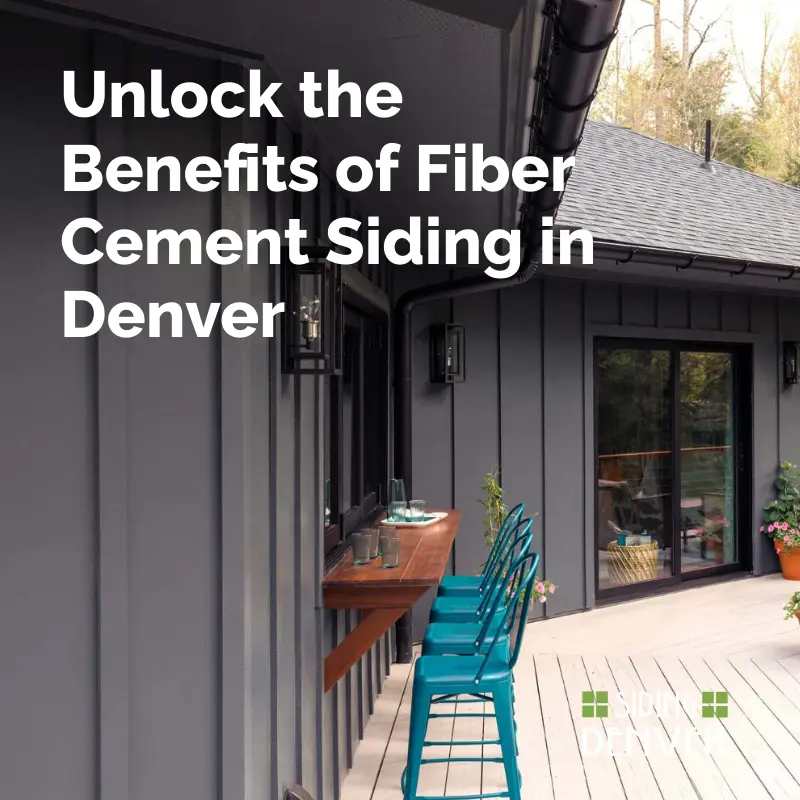
Modern siding does more than just cover the exterior walls. It creates a thermal barrier that can reduce heating bills by up to 12 % in colder climates, according to the Energy Conservation Agency’s 2025 report. In addition, high‑quality siding acts as a waterproof shield, preventing moisture infiltration that leads to rot and mold. The aesthetic versatility—ranging from sleek vinyl panels to textured fiber‑cement panels—means you can match any architectural style without sacrificing performance.
Top Materials on the Market in 2026
Vinyl Siding
Vinyl remains the most popular choice for budget‑conscious homeowners, capturing 38 % of the U.S. market in 2026 (Home Builders Association). It is lightweight, low‑maintenance, and available in a vast color palette. However, vinyl can become brittle in extreme cold and may fade under intense UV exposure after 10‑12 years.
Fiber‑Cement Siding
Fiber‑cement combines the durability of wood with the resistance of cement. Brands such as James Hardie have refined the product to be fire‑rated and insect‑resistant. A 2025 durability study by the Building Science Institute showed that fiber‑cement siding outlasts vinyl by an average of 25 % and retains its color longer, making it a solid investment for high‑traffic neighborhoods.
Engineered Wood Siding
Engineered wood offers the natural grain look of traditional timber while being treated with moisture‑resistant resins. The 2026 Consumer Reports rating gave it high marks for aesthetics but warned about the need for regular sealing in humid regions.
Metal Siding
Aluminum and steel panels deliver a contemporary industrial look and are virtually impervious to pests. Their reflective surface can lower interior temperatures by up to 5 °F during summer, as noted by the American Institute of Architects (2025). The downside is higher upfront cost and the potential for denting.
Cost of Siding Installation: What to Expect in 2026
According to the National Association of Home Builders (2026), the average cost per square foot for siding installation breaks down as follows:
- Vinyl: $3.50 – $6.00
- Fiber‑cement: $6.50 – $10.00
- Engineered wood: $5.00 – $8.00
- Metal: $7.00 – $12.00
These figures include labor, removal of old siding, and a basic warranty. Homeowners who add a professional exterior painter for final touch‑ups typically spend an additional $1‑$2 per square foot, but the combined effect dramatically enhances the home’s visual harmony.
Step‑by‑Step Guide to Selecting and Installing Siding
1. Assess Your Climate and Home’s Orientation
Regions with high humidity benefit from fiber‑cement or metal, while dry, hot climates can tolerate vinyl without rapid fading. Use local climate data from the National Weather Service (2025) to guide material choice.
2. Set a Realistic Budget
Factor in demolition, disposal fees, and any necessary insulation upgrades. For a typical 2,000‑sq‑ft home, the total siding project in 2026 ranges from $7,000 (basic vinyl) to $22,000 (premium metal with insulation).
3. Choose a Color Scheme that Complements Other Exterior Elements
Coordinate siding colors with roof shingles, entry doors, and trim. The 2026 Color Trends Report from Pantone highlights muted earth tones and deep navy blues as top picks for modern suburban homes.
4. Hire Certified Installers
Look for contractors with manufacturer certifications—especially for fiber‑cement, where proper nailing patterns affect performance. Verify that they carry insurance and a minimum three‑year workmanship warranty.
5. Prepare the Surface
All siding types require a clean, flat substrate. If your house has significant moisture damage, schedule a house washing service first. Pressure washing eliminates mold spores and debris that could compromise adhesion.
6. Install Insulation and Weather‑Resistant Barriers
Adding rigid foam board behind siding can improve R‑value by 1.5 – 2.0, according to the Department of Energy’s 2025 guidelines. Pair this with a WRB (weather‑resistive barrier) to prevent water infiltration.
7. Apply the Siding Panels
Follow manufacturer‑specified spacing for expansion joints. For vinyl, leave a 1/4‑inch gap at corners; for fiber‑cement, use a 3/16‑inch spacing to accommodate thermal movement.
8. Finish with Trim and Sealants
High‑quality caulking around windows, doors, and corners ensures a watertight seal. If you’ve installed a new entry door, verify that the door’s threshold aligns with the siding’s finish line—consult our Entry Doors 2026 guide for alignment tips.
Common Mistakes and How to Avoid Them
- Skipping the weather‑resistive barrier. Without a WRB, even the best siding can let moisture seep into the wall cavity.
- Using incorrect fasteners. Nails that are too short can pop out, leading to sagging panels and water ingress.
- Neglecting expansion gaps. Siding expands and contracts with temperature changes; insufficient gaps cause warping.
- Choosing color solely for trend. Trends fade; select a hue that will age gracefully with your neighborhood’s aesthetic.
Real‑World Case Study: A Mid‑Size Suburban Home
In March 2026, a family in Austin, Texas replaced their aging vinyl siding with fiber‑cement panels. The project, managed by a certified installer, included a ½‑inch layer of rigid foam and a new WRB. Post‑installation energy audits showed a 9 % reduction in cooling costs, and the home’s resale appraisal rose by 12 % compared to similar homes with original vinyl. The homeowners also reported that the new siding required no repainting after three years, highlighting the low‑maintenance advantage of fiber‑cement.
Frequently Asked Questions
Which siding material offers the best value for money?
Vinyl provides the lowest upfront cost, but fiber‑cement offers a better life‑cycle value due to its durability and lower long‑term maintenance.
How often should siding be inspected?
Professional inspections are recommended every 5 years, with visual checks by the homeowner after severe weather events.
Can I install siding myself?
DIY installation is possible for vinyl, but manufacturers typically void warranties if the work isn’t performed by certified professionals, especially for fiber‑cement and metal.
Does siding affect my home’s insurance premium?
Homes with fire‑rated siding, such as fiber‑cement, often qualify for a 5‑10 % discount on property insurance, according to the Insurance Institute for Business & Home Safety (2026).
Future Trends to Watch in 2027 and Beyond
Emerging technologies like nano‑coated siding promise self‑cleaning properties, while solar‑integrated panels are beginning to appear on pilot projects in California. Expect manufacturers to focus more on sustainability, with recycled content increasing from 15 % in 2025 to an anticipated 30 % by 2028.
Final Takeaway
Investing in the right siding for your house is a strategic decision that blends aesthetics, energy savings, and long‑term protection. By evaluating climate, budget, and design preferences—while ensuring proper installation and regular maintenance—you’ll secure a resilient, attractive envelope for your home that pays dividends for decades.
