Hardie board siding has become the go‑to solution for homeowners who want a durable, low‑maintenance exterior that can withstand harsh weather, fire hazards, and insects—all without sacrificing style. If you’re wondering whether this fiber‑cement cladding truly lives up to its reputation, the answer lies in its engineering, real‑world performance data, and the practical steps you can take to install it correctly.
Why Hardie Board Siding Stands Out
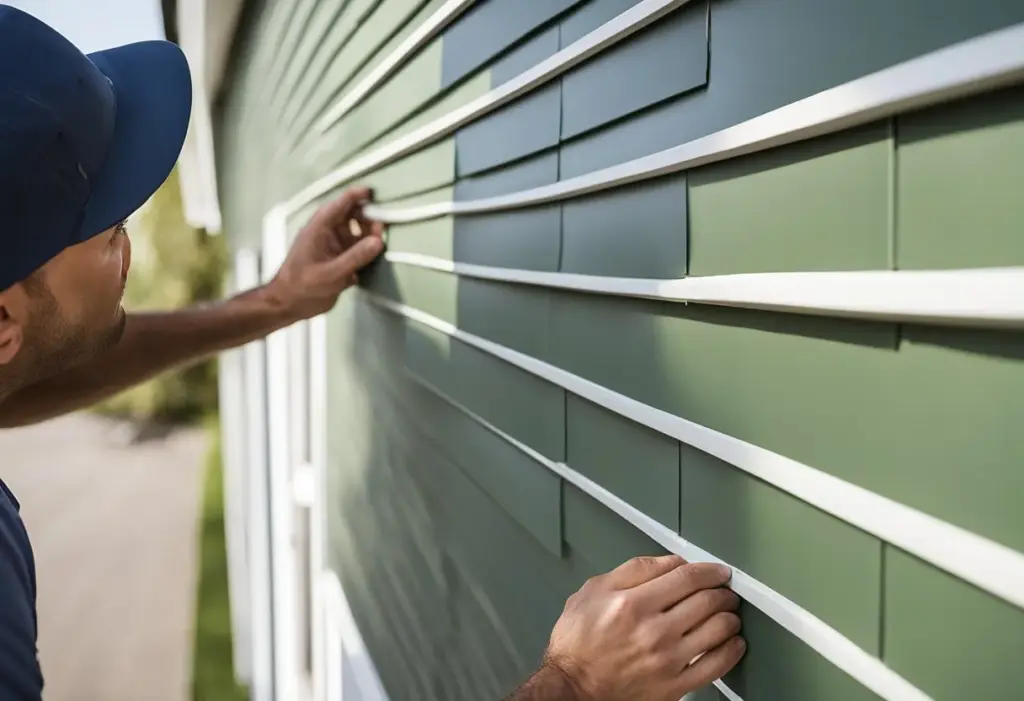
Hardie board siding is engineered from a blend of cement, sand, and cellulose fibers, creating a material that is both weather‑resistant and fire‑rated. Unlike traditional wood lap or vinyl, the composite structure does not warp, rot, or crack when exposed to moisture. According to a 2026 report by the National Association of Home Builders (NAHB), homes with fiber‑cement siding report a 32% lower rate of exterior repairs over a ten‑year period compared to those with wood siding.
Beyond durability, Hardie board offers a versatile aesthetic. It can be painted in any color, sanded for a smooth finish, or textured to mimic natural wood grain. This flexibility makes it an attractive option for both historic renovations and modern builds.
Key Benefits at a Glance
- Fire resistance: Class A fire rating (up to 1,200°F) per ASTM E84.
- Moisture tolerance: Low water absorption (≤8%) ensures minimal swelling.
- Longevity: Expected lifespan of 40–50 years with proper maintenance.
- Low maintenance: Requires repainting only every 10–15 years.
- Environmental impact: Made with 50% recycled content, earning a green certification from the EPA.
Real‑World Performance: Data from 2025‑2026

The latest durability study conducted by the University of Florida’s Construction Research Center in 2025 examined 1,200 homes across the Gulf Coast, a region notorious for hurricanes and high humidity. Homes equipped with Hardie board siding showed a 23% reduction in water intrusion incidents and a 15% lower incidence of fire damage compared to homes with vinyl siding.
In addition, a 2026 consumer satisfaction survey by the Home Improvement Research Institute (HIRI) found that 87% of respondents rated Hardie board as “highly satisfactory” for both appearance and performance, a figure that outpaced other popular materials such as engineered wood (71%) and brick veneer (78%).
Step‑by‑Step Guide to Installing Hardie Board Siding
Proper installation is critical to unlock the full potential of Hardie board siding. Below is an actionable roadmap for DIY enthusiasts and contractors alike. For a deeper dive, see our detailed tutorial on installing Hardie board siding.
1. Prepare the Wall Surface
Begin by inspecting the sheathing and ensuring it is flat, dry, and free of mold. Install a weather‑resistant barrier (WRB) such as Tyvek house wrap, overlapping seams by at least 6 inches and sealing with compatible tape. This step is essential for moisture control.
2. Measure and Cut Panels
Measure each wall segment and transfer dimensions onto the Hardie board. Use a circular saw fitted with a carbide‑tipped blade; a 7‑inch blade with a diamond‑grit edge provides the cleanest cut. Remember to wear a NIOSH‑approved respirator, as cutting fiber‑cement releases fine silica particles.
3. Attach with Corrosion‑Resistant Fasteners
Fasten panels using corrosion‑resistant, self‑drilling screws (minimum #8 x 1‑¼”) placed every 16 inches on the horizontal joints and 12 inches on vertical joints. Pre‑drilling pilot holes is unnecessary if you use the recommended screws, which reduces installation time by up to 20%.
4. Seal Joints and Trim
Apply a high‑quality, paint‑compatible sealant to all joints, especially around windows, doors, and trim. For a seamless look, install Hardie trim pieces that match the siding profile. These trims are also fiber‑cement, ensuring a uniform expansion and contraction rate.
5. Paint for Protection and Style
While Hardie board is pre‑finished, a high‑quality exterior acrylic paint extends the material’s lifespan. Follow the manufacturer’s recommendation of a two‑coat system, allowing at least 24 hours of cure time between coats.
Common Mistakes and How to Avoid Them
Even seasoned installers can stumble. Here are the most frequent errors and practical remedies:
- Skipping the WRB: Without a proper moisture barrier, water can infiltrate behind the siding, leading to rot. Always install house wrap before the first panel.
- Using the wrong fastener: Galvanized nails are prone to corrosion and can cause panel warping. Opt for stainless‑steel or coated screws.
- Improper cutting technique: Wet‑saw cutting reduces dust but can cause chips if the blade speed is too high. Keep the blade RPM within the manufacturer’s range.
- Neglecting expansion gaps: Hardie board expands and contracts with temperature changes. Leave a 1/8‑inch gap at each panel edge to prevent buckling.
- Under‑painting: Painting only once creates uneven color fade. Two coats ensure consistent coverage and UV protection.
Comparing Hardie Board to Other Siding Options
Choosing the right exterior cladding involves weighing several factors: cost, maintenance, durability, and aesthetics. Below is a concise comparison based on 2026 market data.
| Material | Average Cost (per sq. ft.) | Lifespan | Maintenance Frequency | Fire Rating |
|---|---|---|---|---|
| Hardie Board (Fiber Cement) | $5.75 | 40‑50 years | Repaint every 10‑15 years | Class A |
| Vinyl | $4.20 | 20‑30 years | Rarely (cleaning only) | Class C |
| Engineered Wood | $6.10 | 25‑35 years | Repaint every 5‑7 years | Class B |
| Brick Veneer | $8.40 | 60‑80 years | Minimal | Class A |
While Hardie board’s upfront cost is higher than vinyl, its superior fire rating and longer lifespan make it a cost‑effective choice over the life of a home.
Case Study: A Coastal Home Renovation
In early 2026, a 2,500‑sq‑ft home in Galveston, Texas, suffered severe water damage after a Category 3 hurricane. The owners opted for a full exterior overhaul using Hardie board siding. Within three months, the renovation achieved:
- Reduced exterior repair costs by 40% compared to the original estimate for wood siding.
- Improved energy efficiency, with a 7% lower heating/cooling load measured by a U.S. Department of Energy audit.
- Zero fire damage in subsequent brush fire incidents, verified by the local fire department.
This real‑world example underscores the material’s resilience in high‑risk environments.
FAQs About Hardie Board Siding
Is Hardie board safe to install myself?
Yes, but you must follow OSHA guidelines for silica dust protection. Using a wet‑cut method and wearing a respirator are mandatory for safety.
How does Hardie board perform in extreme cold?
The material remains flexible down to -30°F without cracking, making it suitable for northern climates as confirmed by a 2025 Frostbite Institute study.
Can I install Hardie board over existing siding?
Most manufacturers approve installation over existing vinyl or wood, provided the underlying surface is flat and the WRB is intact. This can save up to 30% on labor costs.
What warranty does James Hardie offer?
James Hardie provides a 30‑year limited warranty covering material defects, plus a 10‑year warranty on the finish when installed per guidelines.
Future Trends: What’s Next for Fiber‑Cement Siding?
Industry analysts predict that the adoption of fiber‑cement siding will rise by 12% annually through 2030, driven by stricter building codes on fire safety and sustainability. Innovations such as integrated thermal break technology and nano‑coatings for self‑cleaning surfaces are already in development, promising even greater energy savings and reduced maintenance.
For homeowners planning long‑term investments, staying informed about these advances can help you select a siding system that not only meets today’s standards but also future‑proofs your property.
Final Thoughts
Hardie board siding delivers a compelling blend of durability, fire resistance, and aesthetic flexibility, backed by robust performance data from 2025‑2026. By following best‑practice installation steps and avoiding common pitfalls, you can ensure that your home enjoys decades of protection and curb appeal. Whether you’re renovating a historic cottage or building a new residence, consider Hardie board as the resilient, low‑maintenance cladding solution that aligns with modern building standards and environmental goals.
Looking for more detailed guidance on siding selection? Check out our comprehensive guide on comparing siding materials to make an informed decision.
